Tiny Games, Renewed Focus

Step into a world where micro-play apps and wearables that prompt restorative breaks protect your energy without stealing your time. Discover how ten to sixty seconds of playful recovery can sharpen attention, calm your nervous system, and keep work humane. We’ll mix science, stories, and practical patterns so you can experiment today, share what works tomorrow, and steadily design days that feel lighter, kinder, and more sustainably productive.

The Science Behind It

Short, intentional pauses restore cognitive resources far better than heroic marathons. Research on ultradian rhythms, heart-rate variability, and the default mode network suggests the brain thrives on brief reset windows. Micro-play adds joy to those windows, reducing perceived effort while improving recovery. Instead of white-knuckling focus, you invite curiosity, which lowers cortisol, rebalances attention, and keeps motivation intact. Try small, repeatable experiments, notice your patterns, and tell us what combinations genuinely help you feel clear and ready again.

Signals and Sensing

Knowing When to Nudge

Context matters. A watch detecting clenched-wrist tension during rapid typing might delay a prompt until a sentence ends. Low HRV plus long sedentary time could trigger a playful breathing tile. Calendar data and audio levels hint at meetings where interruptions would be rude. Blend signals lightly, explain the guess, and always let the person override. The right nudge at the right moment feels like care, not control.

Gentle Haptics That Care

Context matters. A watch detecting clenched-wrist tension during rapid typing might delay a prompt until a sentence ends. Low HRV plus long sedentary time could trigger a playful breathing tile. Calendar data and audio levels hint at meetings where interruptions would be rude. Blend signals lightly, explain the guess, and always let the person override. The right nudge at the right moment feels like care, not control.

Context That Respects You

Context matters. A watch detecting clenched-wrist tension during rapid typing might delay a prompt until a sentence ends. Low HRV plus long sedentary time could trigger a playful breathing tile. Calendar data and audio levels hint at meetings where interruptions would be rude. Blend signals lightly, explain the guess, and always let the person override. The right nudge at the right moment feels like care, not control.

Designing Micro-Play
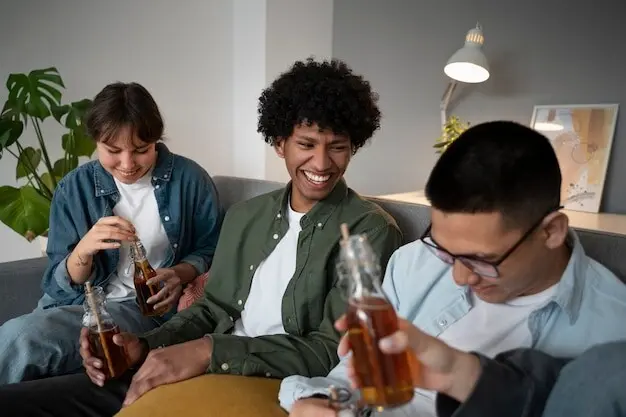
Great micro-play feels light, optional, and instantly rewarding. Think ten to thirty seconds, single-tap entry, zero penalty for skipping. Tiny narratives, tactile satisfaction, and delightful visuals turn recovery into something you look forward to. Replace streak anxiety with progress mosaics that celebrate consistency imperfectly. Add endings that feel complete, so returning to work is smooth. Design for calm arousal, not adrenaline, and invite reflection occasionally so people recognize genuine benefits they can describe and share.

Habits and Workflows

Real value appears when micro-play lives inside daily rhythms. Pair it with coffee breaks, calendar buffers, or task switching. Invite teams to adopt shared rituals that normalize short recovery moments. Celebrate leaders who protect pause culture. For solo workers, smart defaults help: gentle morning scaffolding, lunch resets, and afternoon recalibration. Keep everything opt-in and adjustable. As patterns stick, you’ll notice steadier pacing, kinder collaboration, and clear edges between sprints that feel genuinely breathable.

Stacked With Pomodoro

If you already use timed focus cycles, weave micro-play into the rest blocks. Swap doomscrolling for a ten-second playful breath or a tiny coordination puzzle. The change preserves novelty while preventing overstimulation. Over weeks, many people report fewer rebound distractions after breaks. Share your favorite pairing in the comments, compare notes with peers, and help refine timing recipes that support deep work without draining emotional reserves.

Team Micro-rituals

Groups can lighten pressure by practicing together. Try a one-minute playful unwind before retros, or a calming haptic sync after intense standups. Rotate hosts so ownership spreads. Encourage cameras-optional participation for comfort. Measure not just speed, but tone and clarity after. When teams protect these moments, conflicts soften, decisions clarify, and laughter returns. Tell us what rituals fit your culture, and we’ll compile a living library other readers can adapt.

Neurodiversity First

Some users need predictability; others thrive on novelty. Offer both. Provide clear modes that stabilize prompts, and a shuffle mode that refreshes options. Minimize text, avoid timers that feel threatening, and allow immediate exits. Invite community input about what calms versus overwhelms. Publishing accessibility notes and changelogs builds trust. If you identify as neurodivergent, share which micro-play forms genuinely soothe or focus you, so designers can improve defaults that respect diverse minds.

Motion, Sound, and Light

Animation can delight or distress. Include reduce motion settings, soft color palettes, and volume sliders. Avoid sudden flashes and harsh contrast unless explicitly enabled. Offer tactile-only modes for quiet spaces, and visual-only modes for shared rooms. Provide previews so people can test comfort safely. When testers can personalize sensory inputs in seconds, adoption rises and complaints fall. Your feedback here is gold—tell us exactly what feels kind on tough days.

Metrics, Privacy, Trust

Recovery gains must be felt, not only graphed. Measure mood stability, error rates, and end-of-day energy, while keeping collection minimal and transparent. Let users export data, delete histories, and opt out of experiments. Explain models in plain language, reveal uncertainties, and avoid shaming nudges. Ethical design earns loyalty and unlocks long-term engagement, because people will only invite companions into intimate moments of fatigue if dignity and consent remain unmistakably central.

Measuring What Matters

Track a small set of signals that reflect lived experience: focus smoothness, break completion ease, meeting patience, and evening calm. Pair passive data with simple check-ins, then let individuals choose what to see. Visualize trends without comparisons that spark unhealthy competition. Celebrate course corrections, not streaks. Invite readers to share which indicators actually changed decisions for them, so we can refine metrics that guide rather than guilt.

Data With Dignity

Default to on-device processing, anonymize aggregates, and make permissions granular. Never share sensitive metrics with employers without explicit, revocable consent. Offer private modes that keep interactions ephemeral. Clarify retention periods in friendly language, not legal fog. When people understand where their data travels and why, they relax into healthier routines. Tell us what transparency features you expect, and we will keep building safeguards that feel worthy of real trust.

Zoriveltorinopentodari
Privacy Overview

This website uses cookies so that we can provide you with the best user experience possible. Cookie information is stored in your browser and performs functions such as recognising you when you return to our website and helping our team to understand which sections of the website you find most interesting and useful.